Remove a watermark from an image
Free account · 20 free credits. Sign in or sign up
Drop a picture here
PNG, JPG or WebP · one file
or paste it here (Ctrl+V)
Nothing is uploaded until you press Remove the watermark.
A drawn lake at dawn (invented — no person, no real place) with a translucent “SAMPLE” tiled across it, every copy painted over with this page's brush, and removed by the code this page runs: one real run of the AI fill. 1600 × 1200 px JPG, same size back.
Before and after
A picture with SAMPLE tiled across it, and what came back once every copy was painted over.
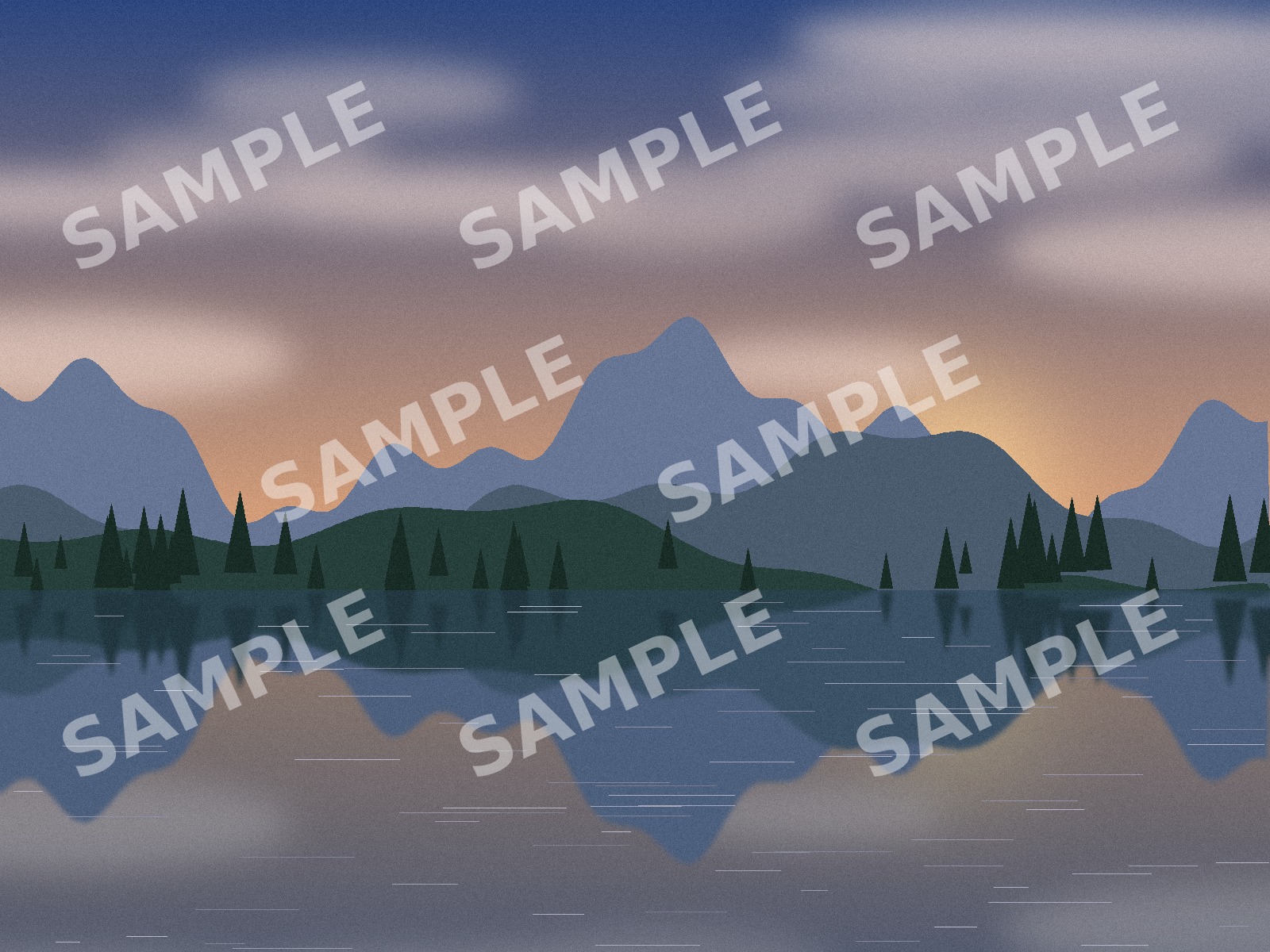 (opens the sample image in a new tab)
A see-through SAMPLE tiled across a drawn lake at dawn.
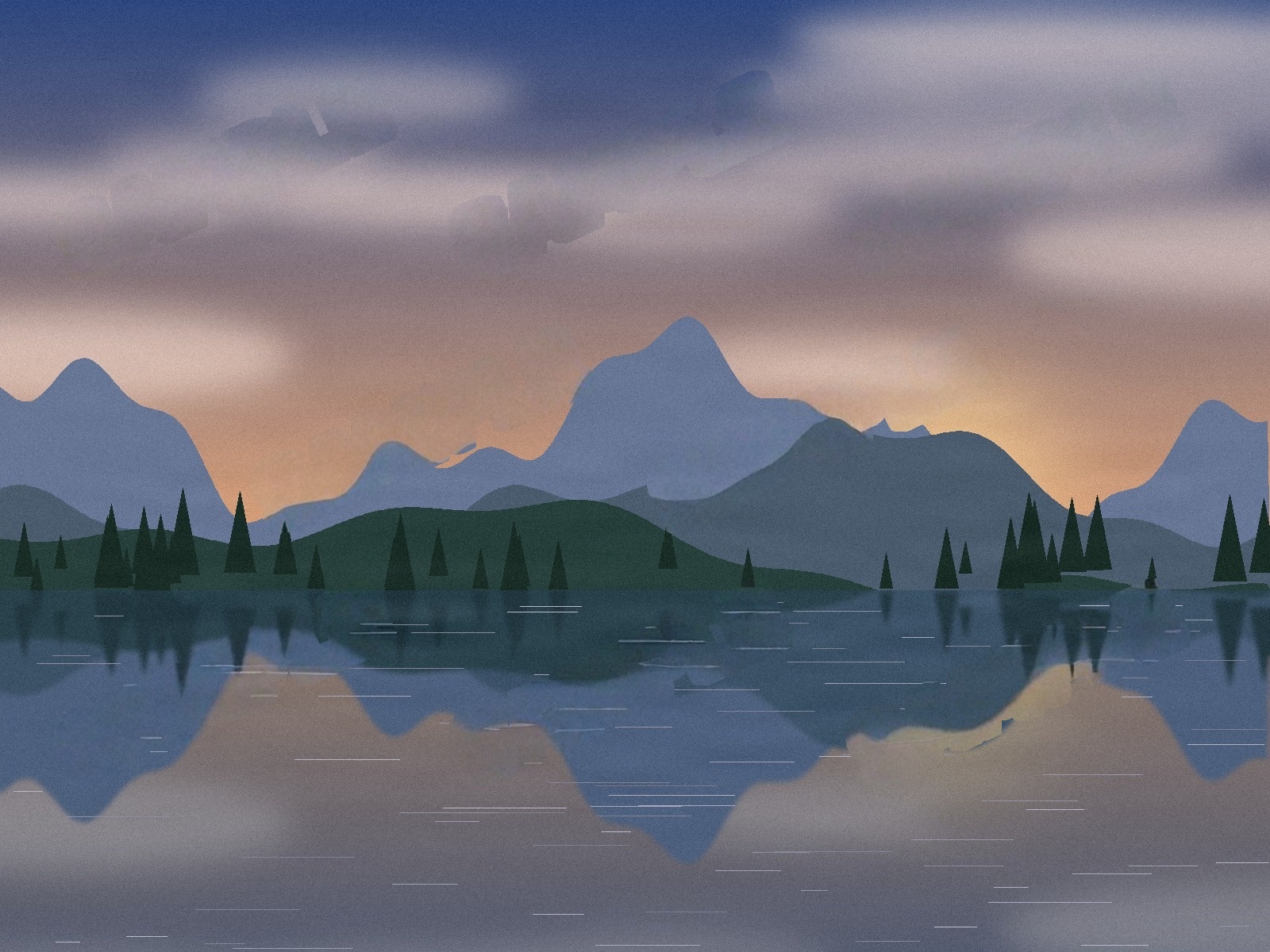 (opens the recorded result in a new tab)
1600 × 1200 px JPEG, same size back each painted copy filled in; nothing outside them changed
What this tool does
Drop, paste or choose a picture you own — a photo, a screenshot, or a photo or scan of a document — and paint over the watermark with the brush. If the same mark repeats across the picture, paint over every copy of it: only what you paint is changed. Then tick the declaration that you own the picture, or have the right to change it and to remove the mark: it is needed on every run. The price is on the button before you press it — 3 credits an image — and the tool needs a free account. On a photo or scan of a document, a see-through mark is un-tinted first, so the text under it is recovered where it can be; where it cannot, the area is filled from its surroundings. On a photo, an AI fill model fills what you painted with what would plausibly be behind it, and we compare that fill with the picture around it: if it would show as a patch, we do not keep it and nothing is charged; if it might show at full size, the page says so beside the result. Only the painted area changes; everything else is kept as it was. Hidden provenance marks — content credentials, metadata and invisible watermarks — are never removed, and the picture you get back carries ours: content credentials and XMP metadata saying it was edited with AI, and an imperceptible watermark wherever one stays invisible. Your picture and the result are deleted from our servers after two hours.
If this image shows a real person, the result is an AI-manipulated image of that person. It is labelled as AI-edited in its metadata, and you are responsible for having their consent.
What happens to your file
Deleted from our servers after 2 hours. We do not train AI on your files, and the terms of our AI providers do not allow them to; they may keep request logs for up to 55 days, longer for a request they flag for abuse.
Uploads and outputs are deleted after 2 hours, whether or not you download them. Provider request logs are kept for at most 55 days. Details on the privacy page.
Questions
Which watermarks can it remove?
A visible mark on a picture: a name or a logo, a stamp, a line of text, or a see-through mark repeated across it. Paint over it — every copy, if it repeats: only what you paint is changed. It works best on marks that cover a small part of the picture: if what you painted would cover more than 60 per cent of it, the run is refused before anything is charged. Only use it on pictures you own or have the right to change.
Will the text under a watermark come back?
On a photo or scan of a document, often yes. A see-through mark is a tint over the page, and where the tint is even we undo it, so the words under it are recovered rather than redrawn. Where that does not work — a solid mark, or a tint that changes across it — the area is filled from what is around it, and on a page that means the words under the mark do not come back. On a photo, an AI fill model fills what you painted with what would plausibly be behind it.
Why do I have to tick a declaration?
Because taking a mark off a picture can be used to pass off someone else's work or to alter an official document. Every run asks you to confirm, in these words: "I own this file, or I have the right to change it and to remove this mark. I will not use the result to pass off someone else's work or to alter an official document." The run does not start without it, and your confirmation is recorded with the run.
Does it remove hidden marks, metadata or content credentials?
No, never. It changes only the pixels you painted. Hidden provenance marks — content credentials, metadata and invisible watermarks — are not removed. The picture you get back carries ours: content credentials and XMP metadata saying it was edited with AI, and an imperceptible watermark wherever one stays invisible. No visible mark is added to your picture.
What does it cost, and what happens to my picture?
3 credits an image, shown on the button before you press it, and you are charged only when the run succeeds. Before we keep an AI fill we compare it with the picture around it: if it would show as a patch, we do not keep it and nothing is charged; if it might show at full size, the page asks you to look closely. It needs a free account; new accounts get 20 credits. Your picture and what you painted are uploaded to our server; a photo is sent to our AI provider for the fill, which does not train on it. Our copies and the result are deleted after two hours, whether or not you download the result.
Related tools
- Remove an object or a person from a photoRemove an object or a person from a photo: paint over it and AI fills the gap, while the rest of your photo stays as it was. 3 credits a photo.
- Add a watermark to photosPut your name, a copyright line or your logo on one photo or a whole batch: in a corner or repeated across it, at the size, opacity and angle you choose. Nothing is uploaded.
- Remove a watermark from a PDFTake DRAFT, SAMPLE, CONFIDENTIAL or COPY text, stamps and logos off a PDF you own. See what we found and untick what to keep before you pay 1 credit.